


Turning the Page
Four years ago, a Northern California bookstore reinvented itself as a hybrid social enterprise—and its story continues to unfold.

Four years ago, a Northern California bookstore reinvented itself as a hybrid social enterprise—and its story continues to unfold.

After a period of war and genocide, Rwanda launched a national health insurance program that is now delivering sharply improved outcomes.

There is an urgent need to expand the infrastructure for results-based policymaking at all levels of the US government.

A pilot project in China aims to give the country’s family-planning agency a new mission: supporting early child development.

Through a new initiative, Ashoka hopes to make the field of US social entrepreneurship more diverse, geographically and otherwise.

In Belgium, leaders of a nonprofit are using a pay-for-success mechanism to fund a program for young migrant job seekers.

When a for-profit company partners with an NGO, it must carefully manage employees’ adjustment to a new organizational context.
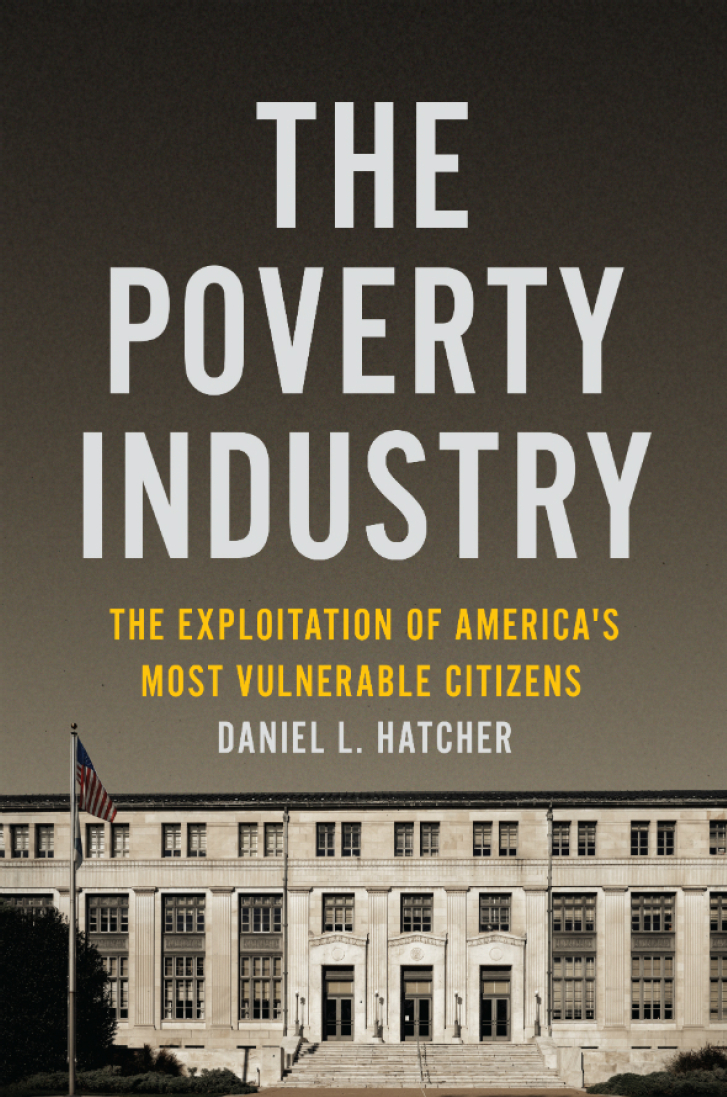
How social services agencies are squeezing revenue from the poor and vulnerable people they’re meant to serve.
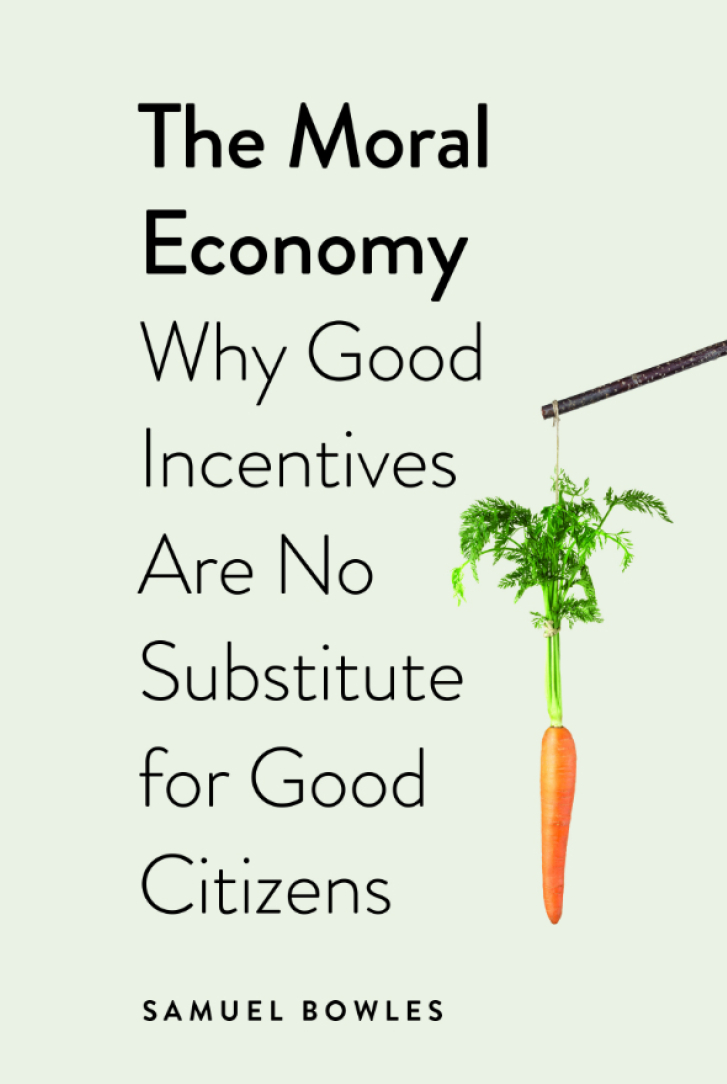
When we pay people to do things that they know they should be doing as good citizens, they tend to devalue the moral basis for acting that way.
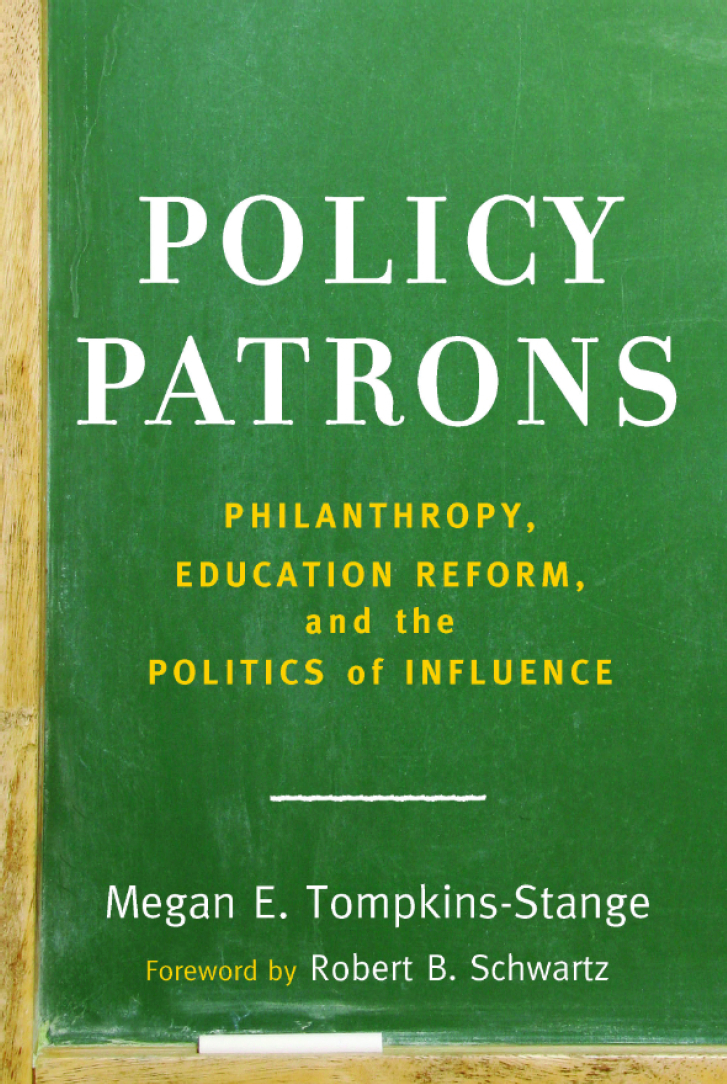
We should be more concerned about foundations’ outsized role in education policy.